
Cross-border Estate Planning: Your Will Was Written in One Country. Will It Work in Another?
- October 18, 2026
- Posted by: Annette Houlihan
- Category: Uncategorized
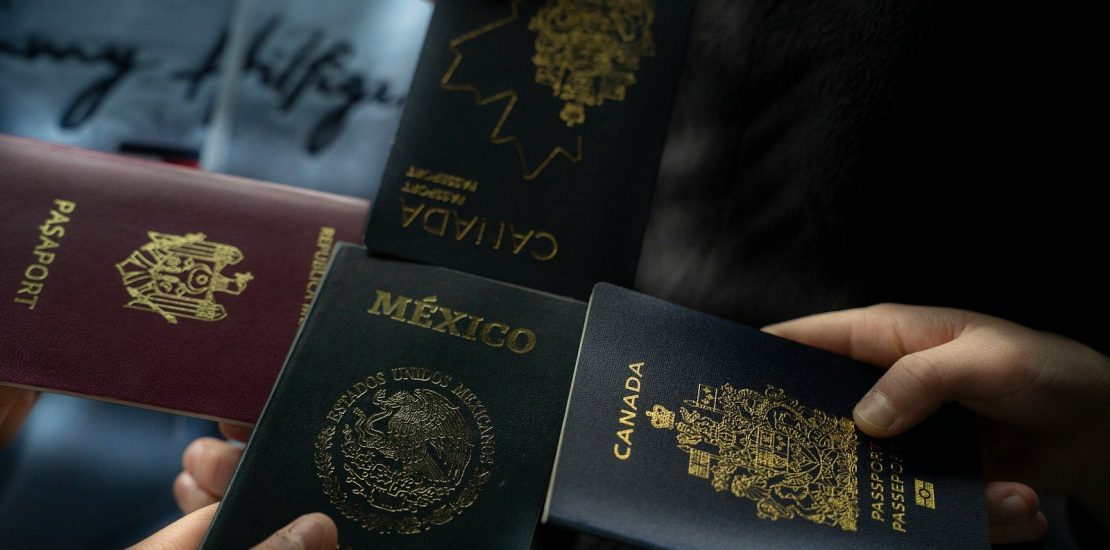
Cross-border estate planning isnt always as straight forward as it seems. A Will often belongs to an earlier version of your life. It may have been written when you owned one home, held accounts in one country and expected your family to remain nearby. Years later, you might live in Singapore, have property in the UK, investments elsewhere and children who have settled in different countries.
The document may still be valid. But will it deliver the outcome you intended, and can your family put it into effect without unnecessary delay? For internationally mobile families, those are separate questions. Cross-border estate planning is about more than keeping a Will up to date: it means coordinating the law, ownership and practical administration of everything you leave behind.
The Will You Wrote Before You Moved
Moving abroad does not automatically cancel an existing Will. Equally, the fact that a Will was properly signed in one country does not mean every authority, bank or land registry elsewhere will deal with it in the same way.
Think about what has changed since you signed it. Perhaps you married or divorced, bought an overseas property, became a shareholder in a business or changed the people you would trust as executors. A named executor who was suitable when everyone lived locally may now face a difficult administrative job across several time zones.
Even a Will that accurately names your beneficiaries may leave unanswered questions about which legal system governs succession, which documents will be recognised and how assets will actually be transferred.
The sensible starting point is not to assume the Will has failed. It is to test whether it still fits your current circumstances.
Validity Is Not the Same as Straightforward Administration
A legally valid Will is an essential starting point, not a guarantee of a simple estate. Probate or equivalent local authority may be required in more than one place. Executors may need local advisers, certified translations, evidence of identity, valuations and recognition of documents issued overseas.
Different jurisdictions also distinguish between the law governing inheritance and the procedures for transferring a particular asset. A family may understand perfectly well who should receive an apartment, yet still have to navigate a local property registration process before ownership can change.
The European Union provides an instructive example. In participating EU countries, the EU Succession Regulation generally looks to the deceased person’s last habitual residence to determine the law applicable to succession, while permitting a qualifying choice of the law of nationality.
Ireland and Denmark do not participate. The Regulation does not harmonise inheritance taxation or every aspect of property and family law. The correct analysis depends on the countries involved and the individual’s circumstances.
What Happens When Your Assets Are in Different Countries?
Start with a straightforward inventory. List property, bank and investment accounts, pensions, insurance, business interests and significant personal possessions. For each asset, identify the legal owner, physical location where relevant, institution holding it and any existing beneficiary or succession arrangements.
This exercise often reveals that the Will is only one part of the picture.
Some jointly owned assets may pass automatically to the surviving owner. Trust property is governed by the relevant trust arrangements. Pension death benefits and insurance proceeds may depend on scheme rules, trustee decisions or beneficiary designations. The treatment varies between products and jurisdictions.
A Will cannot simply override every one of these mechanisms. Coordinating the intended beneficiaries with the actual ownership and transfer arrangements is therefore essential.
Do You Need One Will or Two?
There is no universal rule that every person with overseas assets needs a separate Will in each country. In some circumstances, one carefully drafted Will can cover assets in several jurisdictions. In others, coordinated local Wills may make administration more efficient or address particular legal requirements.
The risk comes from creating documents independently.
A new Will commonly includes a revocation clause. If that clause is not appropriately limited, it may unintentionally revoke an earlier Will covering assets elsewhere. Two Wills can also contain conflicting gifts, executor appointments or definitions of the property they govern.
Where multiple Wills are appropriate, advisers in the relevant jurisdictions should agree their scope and ensure they operate together. The objective is a coordinated plan, not simply a larger collection of documents.
What If You Own a Business?
For a business owner, inheritance planning raises an additional question: what happens to the company when the owner is no longer able to run it?
A Will might leave company shares to a spouse or children. But that does not necessarily establish who can manage day-to-day operations, exercise voting rights immediately, authorise payments or satisfy restrictions in the company’s constitutional documents and shareholder agreements.
The answer depends on the business structure, applicable company law and arrangements already in place.
Business succession planning may involve shareholder agreements, buy-sell provisions, appropriate insurance, management continuity arrangements and a clear record of who has authority to act.
Incapacity requires separate attention. A Will generally operates on death; it does not itself authorise someone to manage the owner’s affairs during their lifetime if they lose capacity. Powers of attorney and corporate governance arrangements may need to be considered, with advice appropriate to each jurisdiction.
For internationally connected SME owners, personal estate planning and business succession should be reviewed together rather than treated as unrelated exercises.
Five Questions to Ask About Your Existing Will
1. Does it reflect where you live now?
Review your current residence, nationality and relevant international connections. Do not assume that a change of address has no consequences for succession or administration.
2. Does it cover the assets you actually own?
Compare the Will with a current asset inventory. Check overseas property, jointly owned assets, trusts, pension benefits, insurance and business interests.
3. Are the executors still suitable?
Consider whether your chosen executors remain willing and able to act, especially if the estate involves multiple countries, languages or legal procedures.
4. Could another document change the outcome?
Check later Wills, beneficiary nominations, shareholder agreements, trusts and ownership arrangements for inconsistencies.
5. Would your family know where to begin?
Make sure the relevant people can locate your documents and understand which professional advisers, institutions and authorities may need to be contacted.
What Does a Coordinated Estate Plan Look Like?
A coordinated estate plan starts with the whole picture rather than a single document.
It identifies what you own, how each asset is held, the countries and laws involved, who you intend to benefit and who has the authority to carry out your wishes. Where business interests are involved, it also addresses continuity and succession.
The plan should be reviewed after significant changes such as relocation, marriage, divorce, the birth of children, substantial asset purchases or changes in business ownership.
The aim is not necessarily to create more paperwork. It is to reduce uncertainty and ensure that the different arrangements work together.
Your Life Has Changed. Has Your Estate Plan?
A Will written in one country may still be legally valid after you move abroad. But validity alone does not establish whether it remains appropriate for your family, assets or business interests.
For internationally mobile families, the important question is whether the arrangements are coordinated across the jurisdictions involved and can be administered effectively when needed.
If your circumstances have changed since your Will was prepared, a review may reveal gaps worth addressing before they become problems for the people you intend to protect.
Start With a Conversation
At Carey Suen, we help internationally mobile individuals, families and business owners understand how their estate planning arrangements fit together across borders.
If you have overseas assets, international family connections or business interests, a complimentary introductory call is an opportunity to discuss your circumstances and identify areas that may require closer review.
Book Your Complimentary Introductory Call
This article provides general information and is not legal, tax or financial advice. Estate planning outcomes depend on individual circumstances and the laws of the jurisdictions involved. Appropriate local professional advice should be obtained before making or changing legal arrangements.